PlasticList derived3 samples
Stanford University Dining Meal (Beans, Chicken, Rice, Cauliflower)
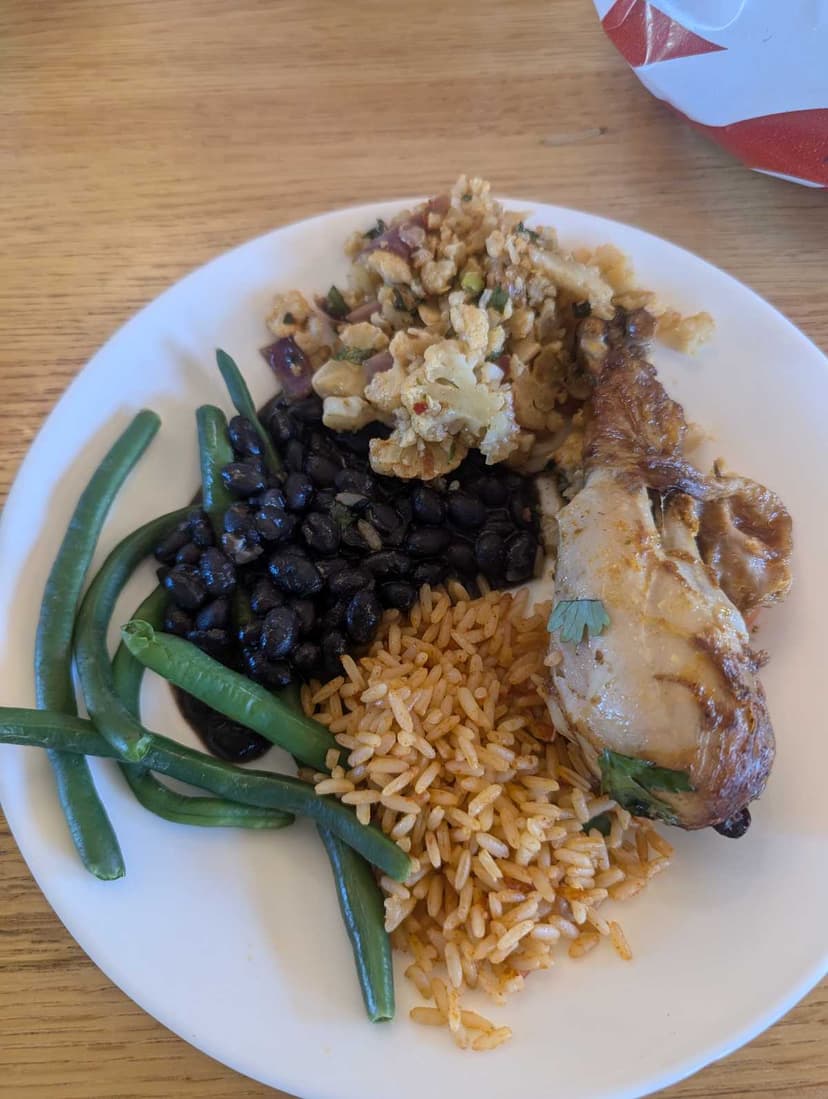
- Serving size
- 474 g
- Collected
- H2 2024
- Region
- Bay Area, CA
- Tags
- palo_alto
- Product ID
- 239
- Serving size
- 474 g
- Collected
- H2 2024
- Region
- Bay Area, CA
Per-serving ratings
- PhthalatesLow
0.7% of TDI
- BisphenolsHigh
3611.4% of TDI
One 474 g serving ≈ 36× EFSA's tolerable daily intake of bisphenols for a 70kg adult.
- SubstitutesMedium
2.5% of TDI
One 474 g serving ≈ 2.5% of EFSA's tolerable daily intake of phthalate substitutes for a 70kg adult.
Data shared with permission from PlasticList under CC BY 4.0
Lab data
Every measurement, by sample. Tap a chemical name to learn about it.
Plastic Chemical Facts
| #1Sample 1 | #2Sample 2 | #3Sample 3 | |
|---|---|---|---|
| Phthalates | |||
| 10,902 | 10,428 | 14,694 | |
| 10,902 | 10,428 | 14,694 | |
< LOQ | < LOQ | < LOQ | |
< LOQ | < LOQ | < LOQ | |
< LOQ | < LOQ | < LOQ | |
< LOQ | < LOQ | < LOQ | |
| Bisphenols | |||
| 758 | < LOQ | 521 | |
< LOQ | < LOQ | < LOQ | |
< LOQ | < LOQ | < LOQ | |
| Phthalate Substitutes | |||
< LOQ | < LOQ | < LOQ | |
| 574,962 | 544,152 | 468,786 | |
< LOQ | < LOQ | < LOQ | |
< LOQ | < LOQ | < LOQ | |
About this test
This PlasticList-derived record contains 3 samples of Stanford University Dining Meal (Beans, Chicken, Rice, Cauliflower) screened for 18 phthalates plus BPA, BPS, and BPF. PlasticList reports that these samples were collected in the second half of 2024. The imported data available here does not identify the testing laboratory, analytical method, or exact test date. DEHA was the highest measurement at 989–1,213 ng/g in all 3 samples, followed by DEHP at 22–31 ng/g and BPA at 1.1–1.6 ng/g. BBP, BPF, BPS, DBP, DEHT, DIDA, and 3 others were below the limit of quantitation.
Measurements are reported by sample in ng/g, including non-detect and quantitation-limit status where available.
This record is derived from PlasticList data and retains its source-specific collection information. Results describe the tested samples and lots at a point in time; they do not establish that every unit of a product is universally safe or contaminated.
How to read this result · Read the risk-calculation methodology and limitations
More in this category
Prepared meals · 10 tested
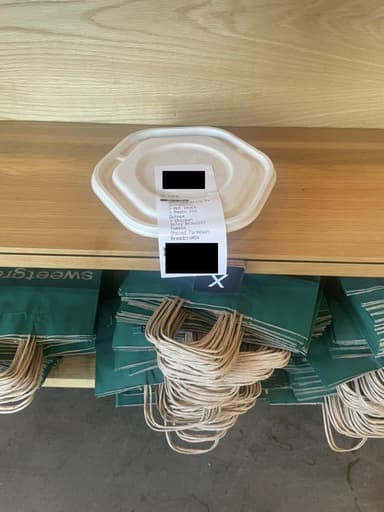
Sweetgreen Chicken Pesto Parm Salad
- Phthalates
- Low
- Bisphenols
- Low
- Substitutes
- Medium
PlasticList derived
Collected Aug 2024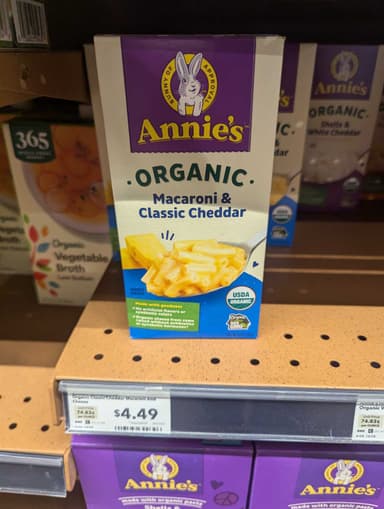
Annie's Organic Classic Cheddar Mac and Cheese
- Phthalates
- Low
- Bisphenols
- High
- Substitutes
- Low
PlasticList derived
Collected Jul 2024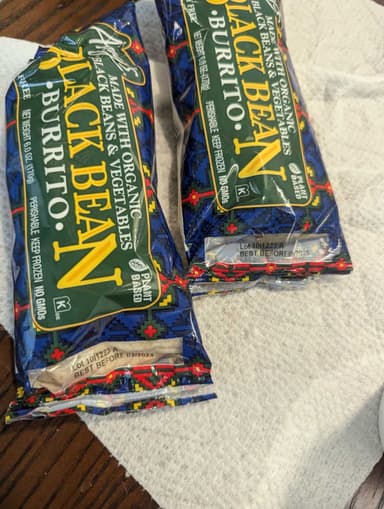
Amy's Black Bean Vegetable Burrito Before Microwave
- Phthalates
- Low
- Bisphenols
- High
- Substitutes
- Low
PlasticList derived
Collected Jul 2024Amy's Black Bean Vegetable Burrito After Microwave
- Phthalates
- Low
- Bisphenols
- Low
- Substitutes
- Low
PlasticList derived
Collected Jul 2024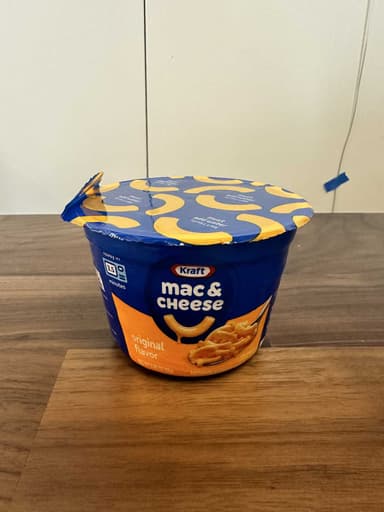
Kraft Mac & Cheese After Microwave
- Phthalates
- Low
- Bisphenols
- Low
- Substitutes
- Low
PlasticList derived
Collected Jul 2024Kraft Mac & Cheese Before Microwave
- Phthalates
- Low
- Bisphenols
- Low
- Substitutes
- Low
PlasticList derived
Collected Jul 2024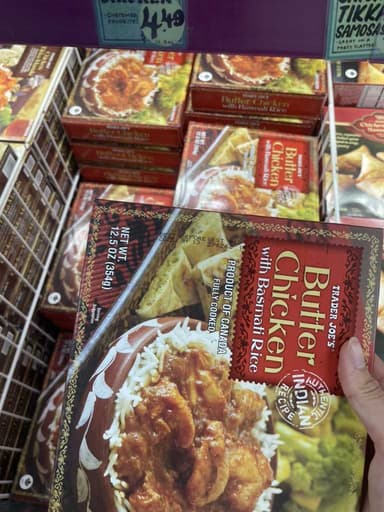
Trader Joe's Frozen Butter Chicken with Basmati Rice Before Microwave
- Phthalates
- Low
- Bisphenols
- Low
- Substitutes
- Low
PlasticList derived
Collected Jul 2024Trader Joe's Frozen Butter Chicken with Basmati Rice After Microwave
- Phthalates
- Low
- Bisphenols
- Low
- Substitutes
- Low
PlasticList derived
Collected Jul 2024
Want your own product tested?
Chip in
from $5
Put money toward a product on the crowdfunding list. When it's fully funded, we test it and publish the results for everyone.
Browse the crowdfunding list →On-demand testing
from $1,995
You pick the products. We buy three samples of each anonymously at retail, have an accredited lab test them, and send you the full report.
See on-demand testing →